Community Focus
Flooring choices ripple through the communities you manage, shaping everything from tenant satisfaction to safety compliance.
Orientation — what this is
When you manage properties for people, the flooring beneath their feet matters more than most people think. A healthcare facility's floor must withstand daily chemical exposure and support infection control. A student housing corridor needs material durable enough for constant foot traffic, sound-dampening to prevent complaints between units, and the budget to install across many rooms at once. A retail space's floor is silent salesmanship—the first texture a customer notices, a confidence signal that the business cares about its environment.
The contractors we feature understand these distinctions. They know that selecting flooring means asking where it will live, who will walk on it, and what the space needs to survive for the next decade. We've worked with teams who approach every job as part of a building's story, not just as square footage to cover. According to the Institute of Real Estate Management, the Certified Property Manager and Accredited Residential Manager credentials are among the designations it administers for people who manage multifamily and commercial property. This approach ensures that the vendors we feature are judged against how professional property managers already work.
Next step

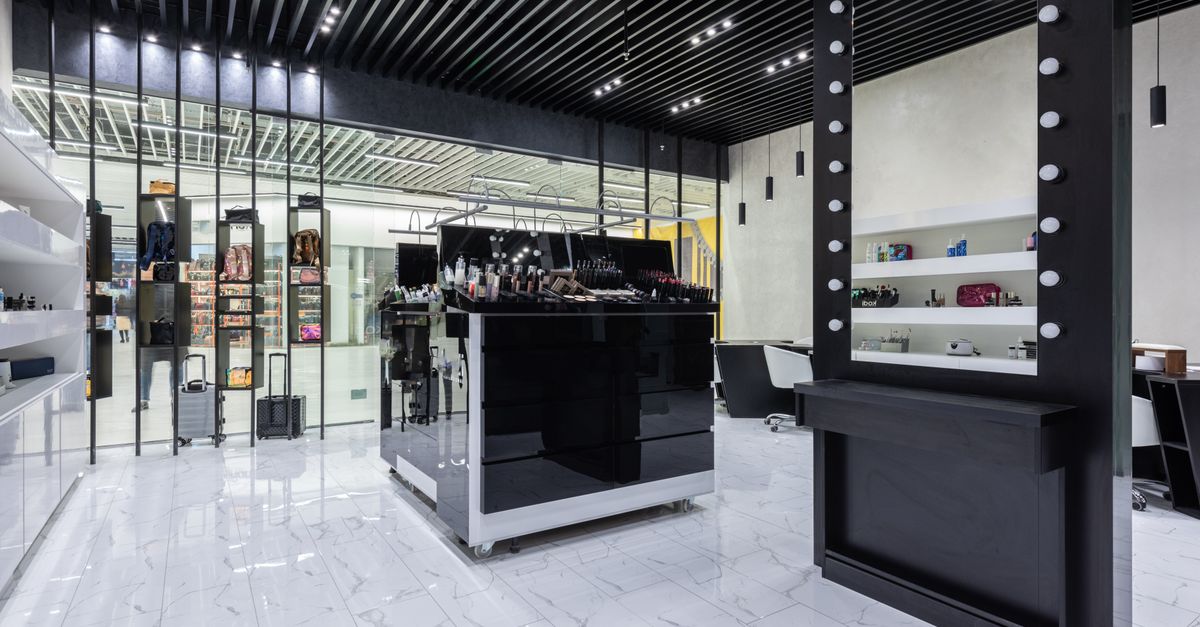
Start by articulating what your specific building requires. Is this a healthcare environment where stain resistance, microbial inhibition, and regulatory compliance are non-negotiable? Is it student housing where acoustic performance and durability through heavy use matter most? Is it a commercial office or retail space where the flooring becomes part of the interior brand?
Once you know what the community needs, the contractors in our directory can help you select materials and installation methods that serve that need for years to come. The conversation shifts from "what is the cheapest option" to "what keeps this community safe, functional, and satisfied."
Common sticking points
- How do I know if a contractor understands the regulations my property must meet? Ask them about previous projects in your property type—healthcare, student housing, or retail. Ask what standards they use (healthcare floors often require FloorScore certification; commercial installations may need specific slip ratings). A contractor who asks you about these before recommending a material understands your community's needs.
- What if the flooring I want is more expensive upfront? Higher performance materials often cost more per square foot but last longer, require less maintenance, and reduce replacement cycles. A property manager's job is to balance community experience against lifecycle cost. Many contractors can show you durability comparisons and help you understand the actual cost per year of occupation.
- Can a contractor help if I have existing flooring that isn't working? Yes. Some contractors specialize in assessment and replacement planning. They can diagnose whether existing vinyl, tile, or other surfaces are failing because of installation, maintenance, material selection, or the environment they're in. That diagnosis guides the next choice.
The key figures
Commercial vinyl tile and luxury vinyl plank are the industry standard for multi-family and healthcare property, used in environments where durability, cleanability, and cost-per-cycle matter. Quartz tile floors resist stains and chemicals in healthcare settings, supporting both tenant safety and facility compliance. Retail spaces increasingly choose vinyl flooring that mimics natural wood, creating the aesthetic of premium materials at a fraction of the replacement frequency and maintenance cost. These aren't trendy choices—they're proven methods that work for the communities that live and work in these spaces.
The next time a tenant reports a flooring issue, or you're planning a renovation, remember that the flooring choice is part of your community's infrastructure. Reach out to one of our contractors and describe what your community needs. That conversation is where good decisions start.