Contractor Verification
A resource for property managers to evaluate contractors before hiring. Use this guide to check licensing, insurance, credentials, and past performance.
Orientation — what this is
Choosing a flooring contractor is a decision that affects your property for a decade or more. A poor installation, wrong material choice, or under-insured contractor can become an expensive liability. This page walks you through the verification steps that separate a professional contractor from a quick operator. We've built our directory with contractors who understand the importance of this scrutiny and welcome it.
The contractors we feature have passed basic vetting: they maintain general liability and workers' compensation insurance, they hold active licenses where required, and they have track records in commercial or multi-family flooring. But you should verify these facts yourself before signing a contract. A contractor who gives you straight answers to these questions is one you can trust.
The reference table
Before you hire a contractor, you need to confirm five facts. First, ask for their current general liability insurance certificate and verify they're insured for the scope of work you're planning—some policies exclude certain material types or project sizes. Second, verify they hold an active state or local flooring contractor license if your jurisdiction requires one (some states regulate flooring installation; others do not). Third, ask for references from at least two recent commercial or multi-family projects in your property type and call them. Fourth, ask whether they are CFI-certified (International Certified Flooring Installers Association) or have other professional flooring credentials that show ongoing training. Fifth, confirm they can start within your timeline and that they understand the full scope of your project, from prep through final walkthrough.
Do not skip any of these steps. A contractor who cannot provide insurance, license information, or references is not a contractor—they are a risk. The few hours you spend verifying now save months of headaches if something goes wrong.
How to use it
Create a simple spreadsheet with columns for each fact above: insurance certificate, license status, references (with contact names), professional credentials, and timeline. As you talk to contractors, fill in each row. Any row with blanks is a red flag. Any contractor who seems evasive about insurance or licensing should be crossed off immediately. The time you invest in this verification is exactly the time that prevents disaster later. According to the Federal Trade Commission's guide to avoiding home improvement scams, checking licensing, insurance and payment terms protects you before you sign a contract.
The detail

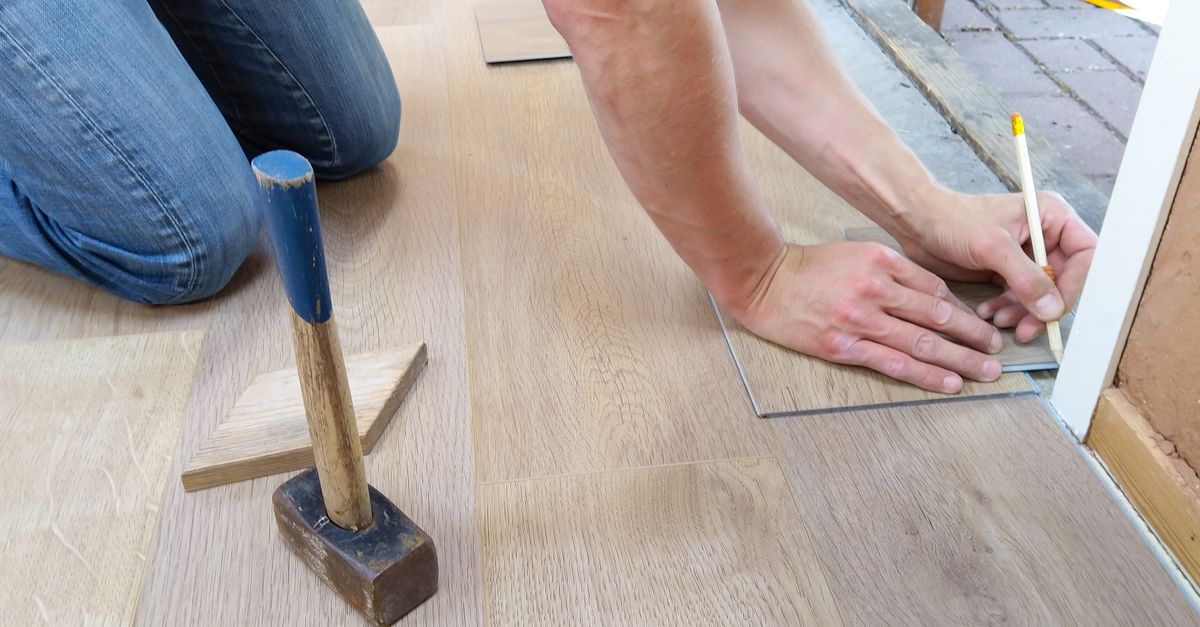
When you visit a project the contractor has completed, look past the new floor itself. Look at how the seams are aligned and whether patterns match across the room. Look at the perimeter where the floor meets the wall—is the transition clean and sealed? Ask the property manager at that site whether the contractor cleaned up thoroughly, respected the building's schedule, and addressed any issues that came up during installation. These details separate a professional from someone who cuts corners.
Most importantly, ask each reference whether they would hire the contractor again. A simple yes or no tells you more than any marketing material can. If a contractor has done good work, people remember it and want to recommend them. If people are hesitant, that hesitation means something. For professional guidance on installer credentials, the International Certified Flooring Installers Association maintains a list of certified installers and the training programs that stand behind their certifications.
Next step
Take the time to verify. Call our contractors in the directory and ask the five questions above. If they answer clearly and welcome the scrutiny, you've found a professional. If they deflect, disappear, or give you vague answers, keep looking. The right contractor is out there, and the verification process helps you find them.